

Quick answer
Not all port originates in Porto itself. Authentic port wine must be produced from grapes grown in the demarcated Douro Valley, roughly 100 kilometers east of Porto. The fortified wine then travels downriver to Vila Nova de Gaia, where centuries-old lodges age and bottle it before export. Porto gave port its name and served as the historic shipping port, but the Douro hillsides—not the city—produce the wine.
The Douro Valley holds the only vineyards legally permitted to produce port wine, a protected designation enforced since 1756 when the Marquês de Pombal drew the world's first demarcated wine region. Schist terraces climb steep hillsides where summer temperatures exceed 40°C, stressing the vines into concentrated fruit. Five grape varieties—Touriga Nacional, Touriga Franca, Tinta Roriz, Tinta Barroca, and Tinto Cão—dominate the blends, each contributing structure or aromatics to the final fortified wine. After harvest and fermentation, the wine descends the Douro River to Vila Nova de Gaia, where it enters the lodges for aging. This separation between production and maturation arose from practical necessity: Gaia's cooler, more humid microclimate along the Atlantic coast slows oxidation and stabilizes barrel aging, while its proximity to Porto's commercial port facilitated centuries of export to England, the Netherlands, and beyond. The wine absorbs its character in Gaia's oak casks, not in Porto's cobbled streets. Whether all port comes from Porto depends on how you parse the question. The grapes grow 100 kilometers inland. The wine matures across the river. But Porto supplied the merchants, the shipping infrastructure, and the name that traveled with every bottle. When you stand in Vila Nova de Gaia and look north across the Douro, you see the city that branded the wine without producing a single grape. The lodges open daily from morning through evening, offering tastings that clarify the distinction between origin and identity. The protected designation ensures that any bottle labeled "Porto" or "Port" traces back to the Douro Valley, regardless of which cellar aged it or which city shipped it. Geography defines authenticity here—not the postal code of the winery, but the schist, the altitude, and the river that connects production to market.
“Porto supplied the merchants, the shipping infrastructure, and the name that traveled with every bottle—but the Douro hillsides produce the wine.”
Is All Port From Porto? The Geography of Wine Production
The association between Port wine and the city of Porto is so strong that many visitors assume production occurs within city limits. In reality, the geography of Port production is divided between the growing region and the aging location.
MythPort wine is produced inside the city of Porto.
FactPort wine grapes are exclusively grown in the Douro Valley, located upriver from Porto.
MythAll Port wine cellars are located in Porto.
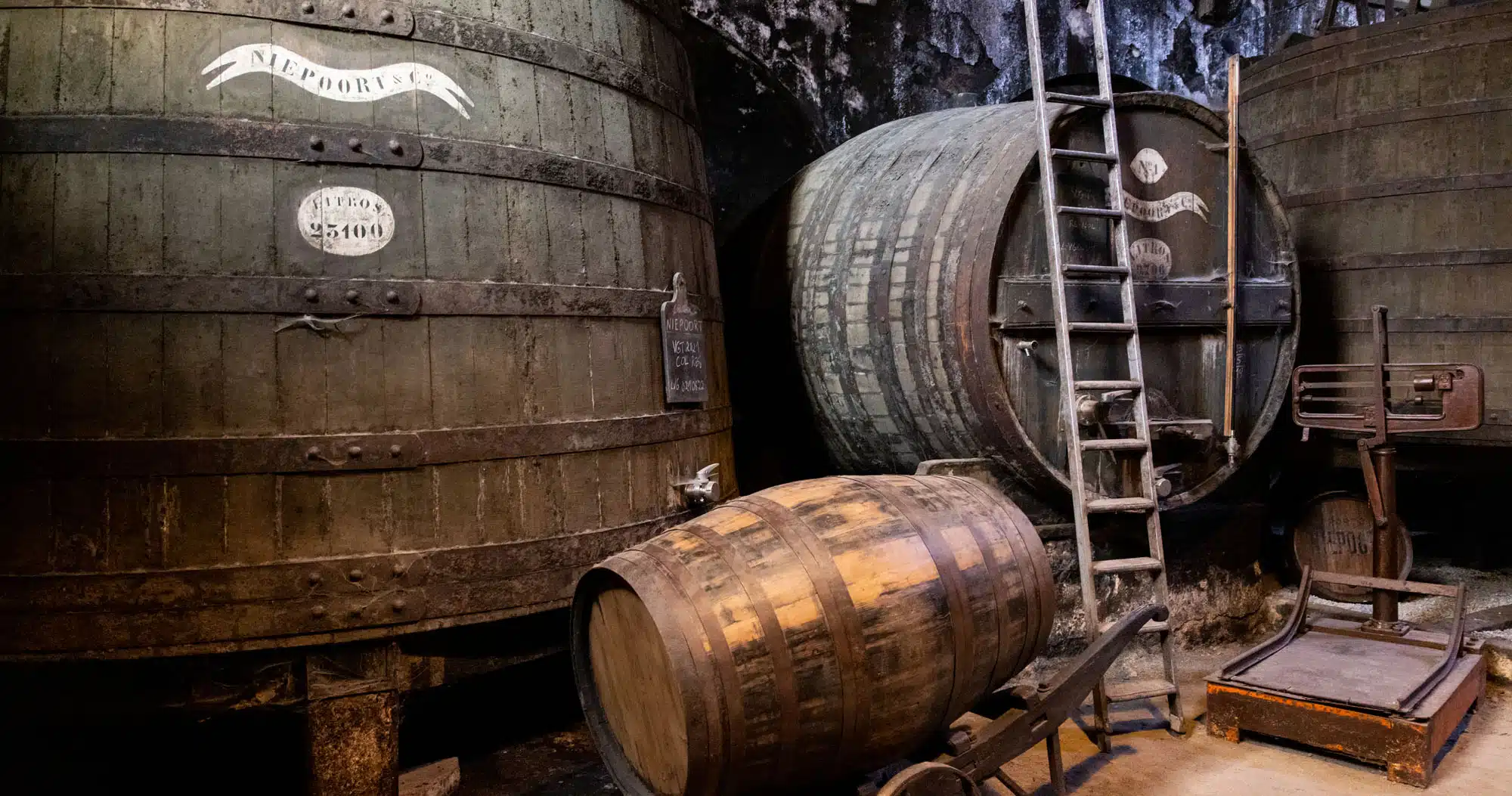
FactWhile the trade and aging occur in cellars located in Vila Nova de Gaia, the actual wine is not produced there.
MythPort wine is made from grapes grown in Vila Nova de Gaia.
FactVila Nova de Gaia is the historical center for aging and exporting; the vineyards are situated entirely in the Douro Valley.
When Is the Best Time to Visit Cellars if All Port From Porto Is Your Query?
To experience the wine cellars with the most manageable flow of visitors, aim for the best arrival window of 10:00–17:00. This timeframe provides the necessary balance to explore the historic warehouses in Vila Nova de Gaia before the surge of late afternoon and evening crowds.
Weekday mornings
Minimal congestion—
Visiting mid-week before midday offers the quietest environment for tours. This slot allows for focused interaction with cellar staff and easier access to tasting rooms.
Late spring (May–June)
ModerateMild temperatures 15°C–22°C
The weather is pleasant for walking between cellars along the riverbank. Visitor numbers are lower than the peak summer months.
Autumn (October)
ModerateCooler 13°C–19°C
Harvest activities conclude, creating a quieter atmosphere in the region. This period balances comfortable touring conditions with fewer tourists.
Verdict: The concrete best slot is Tuesday to Thursday between 10:00 and 13:00 during the months of May or October.
Opening Hours for Cellars Where All Port From Porto Is Stored
The Port wine cellars in Vila Nova de Gaia operate on a consistent schedule throughout the week to accommodate visitors. You can access these facilities during the hours listed below.
| Monday | 00:00–23:59 | |
|---|---|---|
| Tuesday | 00:00–23:59 | |
| Wednesday | 00:00–23:59 | |
| Thursday | 00:00–23:59 | |
| Friday | 00:00–23:59 | |
| Saturday | 00:00–23:59 | |
| Sunday | 00:00–23:59 |
Entrance Fees: Is All Port From Porto Accessible for Free?
Access to the general cellar facilities in Vila Nova de Gaia is open to the public without a mandatory entry fee. Costs for visitors are associated exclusively with guided tasting experiences or specific educational tours provided by individual houses.
A typical visitor pays 0 EUR for entry, with total costs depending solely on the specific tasting flight or guided cellar tour chosen.
How to Reach the Wine Cellars if All Port From Porto Originates Elsewhere
The Port wine cellars are located across the Douro River in Vila Nova de Gaia, Portugal. The most efficient way to reach the riverfront area from central Porto is by crossing the Dom Luís I Bridge on foot or using the local metro system.
Cross the upper or lower deck of the Dom Luís I Bridge
Line D (Yellow) from Trindade/São Bento to Jardim do Morro
Traditional rabelo boat crossing from Ribeira quay
Check availability
Common questions about is all port from porto
Everything you need to know about is all port from porto